The IEP says "30 minutes of special education support, 3x weekly." It doesn't say whether that happens at the back of the general ed classroom or in a small room down the hall. That decision gets made by a team, often quickly, often based on schedule availability rather than what actually serves the student, and then it just sticks for the rest of the year unless someone revisits it.
The real question isn't "which model is better." It's "better for what."
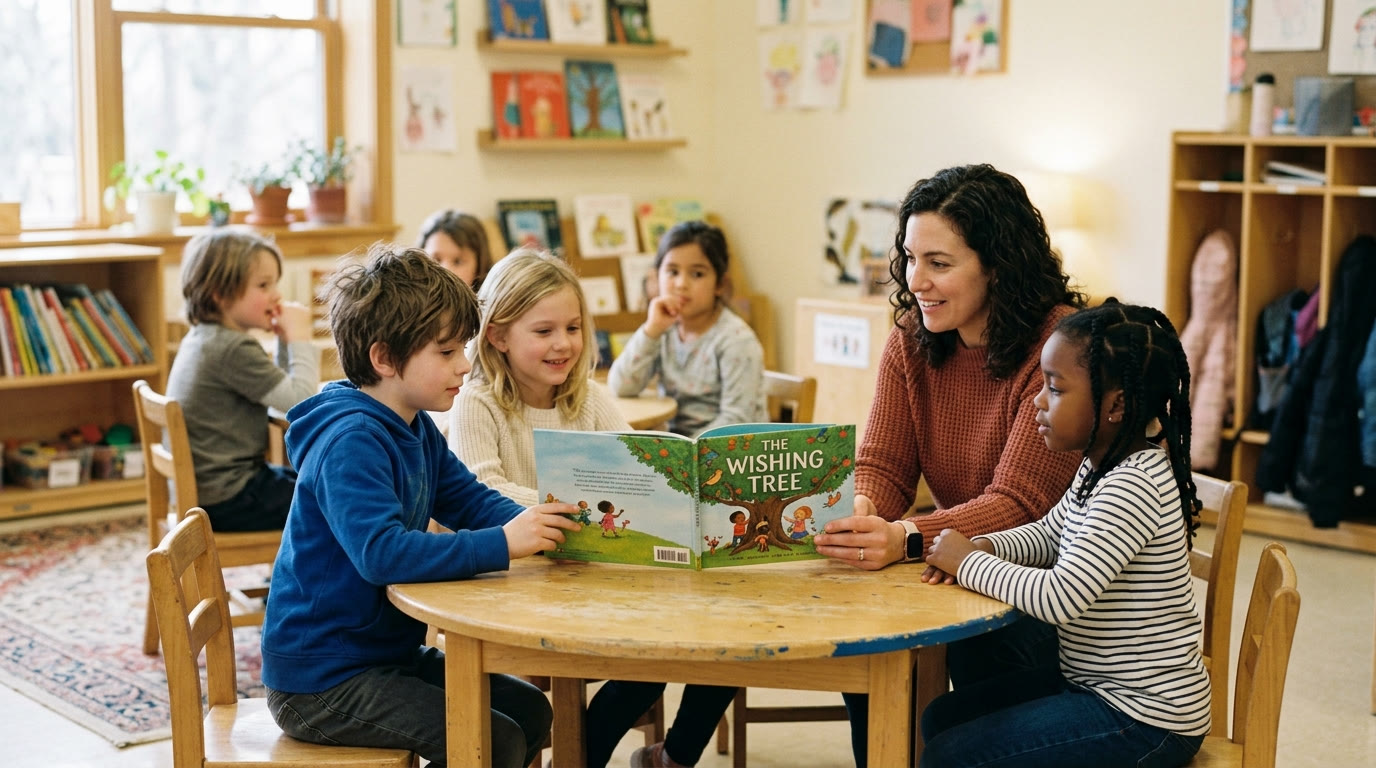
Push-in (support delivered inside the general ed classroom) and pull-out (support delivered in a separate setting) aren't competing philosophies, they're tools that solve different problems:
- Push-in works well when the goal is applying a skill in the actual context it's needed, the student benefits from peer models, or removing them would create a bigger social cost than the academic gain justifies.
- Pull-out works well when the skill gap is wide enough that grade-level instruction isn't accessible even with support, the student needs a lower-distraction environment to focus, or the goal itself (a specific reading intervention, a social skills group) doesn't map onto whatever the rest of the class is doing that period.
A concrete example of the same student needing both
A 4th grader with a reading goal might need pull-out for the actual decoding intervention, since that requires a structured, sequential program the whole class isn't doing, but push-in for the comprehension work during the class read-aloud, where the goal is applying strategies to grade-level content alongside peers. Same IEP, same student, two different settings for two different goals. Writing the IEP as "push-in" or "pull-out" as if it's one setting for the whole plan often forces a worse fit than naming the setting goal by goal.
What to actually look at when deciding
1. Is the skill itself grade-level content, or a foundational gap? Foundational, sequential skill-building usually needs pull-out. Applying a skill to current content usually works push-in.
2. What's the social cost of removal for this specific student? A student who's sensitive about being pulled out may lose more from the stigma than they gain academically, especially in upper grades. A younger student may not register it at all.
3. Can push-in support actually be delivered well in that classroom? Push-in only works if there's a real plan for what the support teacher does minute to minute, not just standing near the student. If that plan doesn't exist yet, pull-out may be the more honest option until it does.
Where AI actually helps this decision
It won't tell you which setting is right, that's a judgment call based on the student and the room. What it can do is help you draft the reasoning clearly enough that the whole team, including the parent, understands why. Try: "I have a student with [goal] currently receiving pull-out support. Draft two paragraphs explaining the case for switching this specific goal to push-in support, and two paragraphs explaining the case for keeping it pull-out, so the IEP team can compare them side by side." That turns a vague team discussion into a structured comparison, which tends to produce a better decision and a clearer record of why it was made.
Setting decisions belong in the [IEP goals](/iep-goals) themselves, tied to the specific goal they support, and should get revisited whenever a [504 plan](/504-plan) or IEP is reviewed, not left as a default from three years ago that nobody's questioned since.