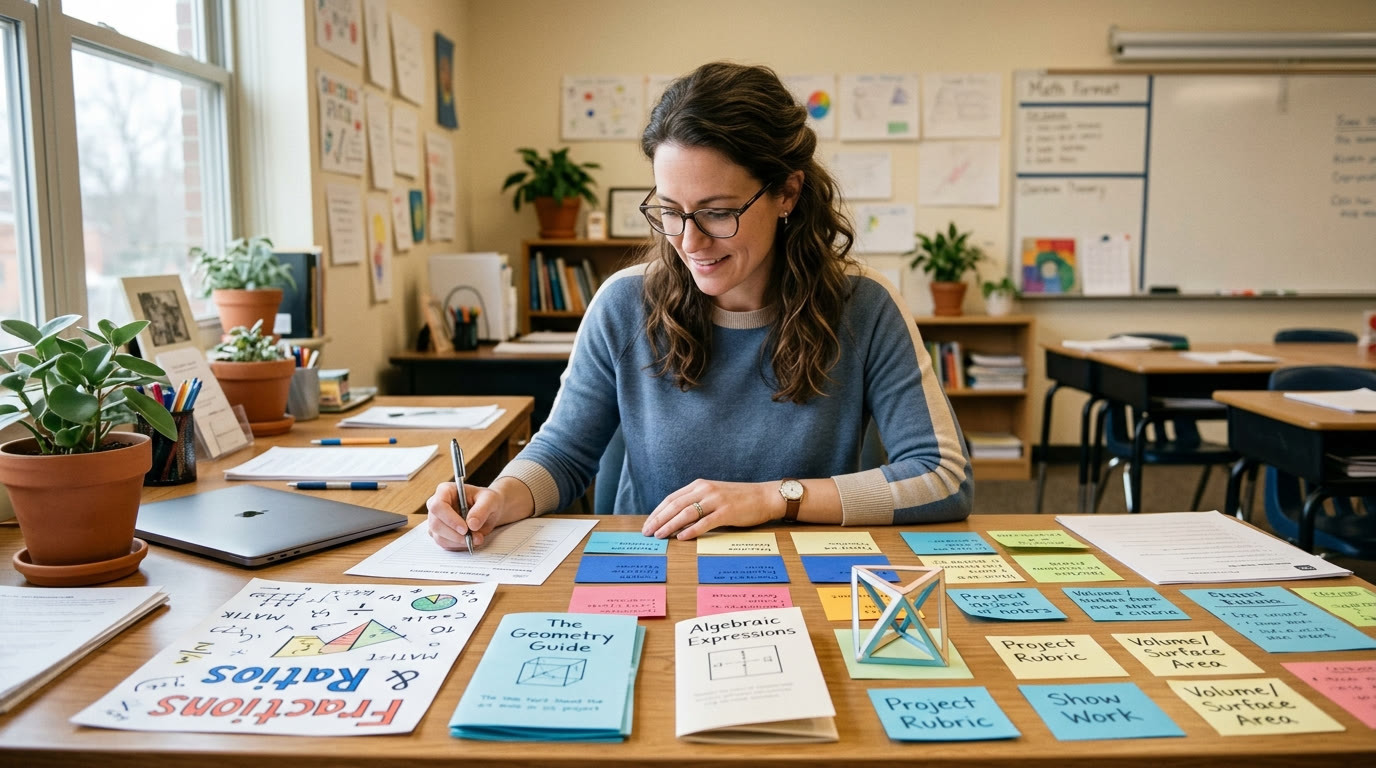
A student got denied extended time on a midterm two years ago because the general ed proctor covering that period never saw the accommodation, it lived in a file the case manager had, not in anything the proctor was handed that morning. Nobody was careless. The system just had no checklist standing between "the accommodation exists on paper" and "the right adult knows about it on test day."
Why this slips even at well-run schools
Accommodations are usually tracked per student, in a student's own file. Testing week needs the opposite view: per room, per proctor, per test block — who in this room needs what, right now. Translating from one view to the other by memory, during the busiest week of the term, is where things get dropped.
Build the room-level view once
Before testing week starts, take your full list of students with accommodations and flip it from a student-by-student list into a room-by-room one:
1. List every testing room and proctor for the week.
2. For each room, list every student testing there with an active accommodation — extended time, separate setting, read-aloud, scribe, breaks, assistive tech.
3. Note exactly what the proctor needs to do, not just the accommodation category. "Extended time" isn't enough instruction; "this student gets 1.5x, testing continues into the next period in room 114" is.
4. Flag anything that needs setup in advance — a separate room booked, a reader assigned, a device charged and loaded.
This is a genuinely tedious cross-reference to build by hand across a full testing schedule. It's a good use of AI: "Here's a list of students and their accommodations: [list], and here's the testing room schedule: [list]. Build a per-room checklist showing which students in each room need which accommodation, and flag any accommodation that requires advance setup like a separate room or an assigned reader."
Hand it to the actual proctor, not just the case manager
The case manager already knows the accommodations. The point of this checklist is getting the information to whoever is physically in the room that period, including subs and general ed teachers covering a testing block they don't normally teach. Print it, don't just email it — testing week mornings are not when people are reading email carefully.
Cross-check against the actual plan documents
Once the room-level checklist is built, spot-check it against the source documents before test day, not after a problem surfaces. This is where keeping [IEP goals](/iep-goals) and [504 plan](/504-plan) accommodations in one consistent format year-round pays off — if every plan lists accommodations the same way, cross-checking a testing week roster against them takes minutes instead of a re-read of ten different documents with ten different formats.
What to do the week after
- Note anywhere the checklist and the actual room setup didn't match, even if it got caught in time.
- Fix the process gap, not just the individual mistake, before the next testing window.
- Keep the per-room template — the room list changes, but the format doesn't need rebuilding from scratch each time.
The accommodation was never the problem. The gap between the file and the room is. Close that gap once, in writing, and it stays closed.