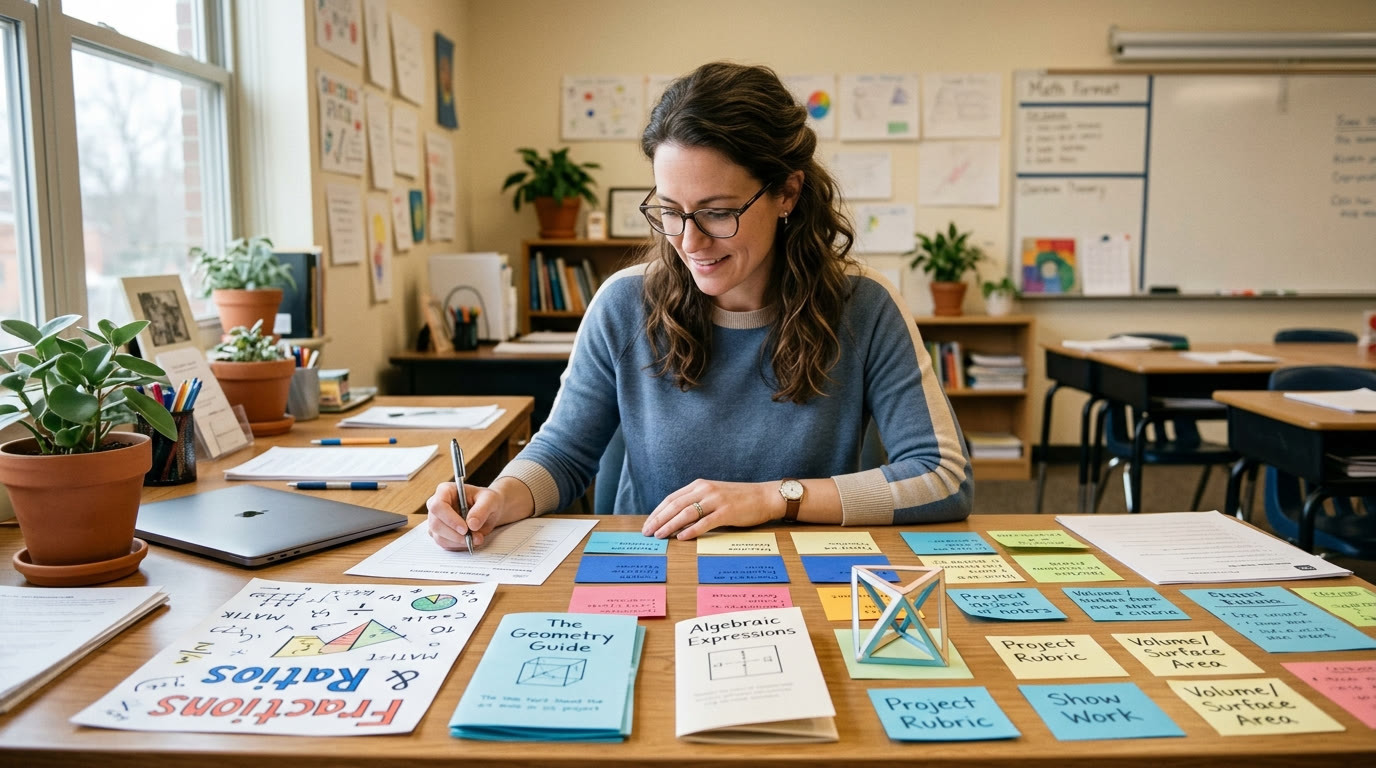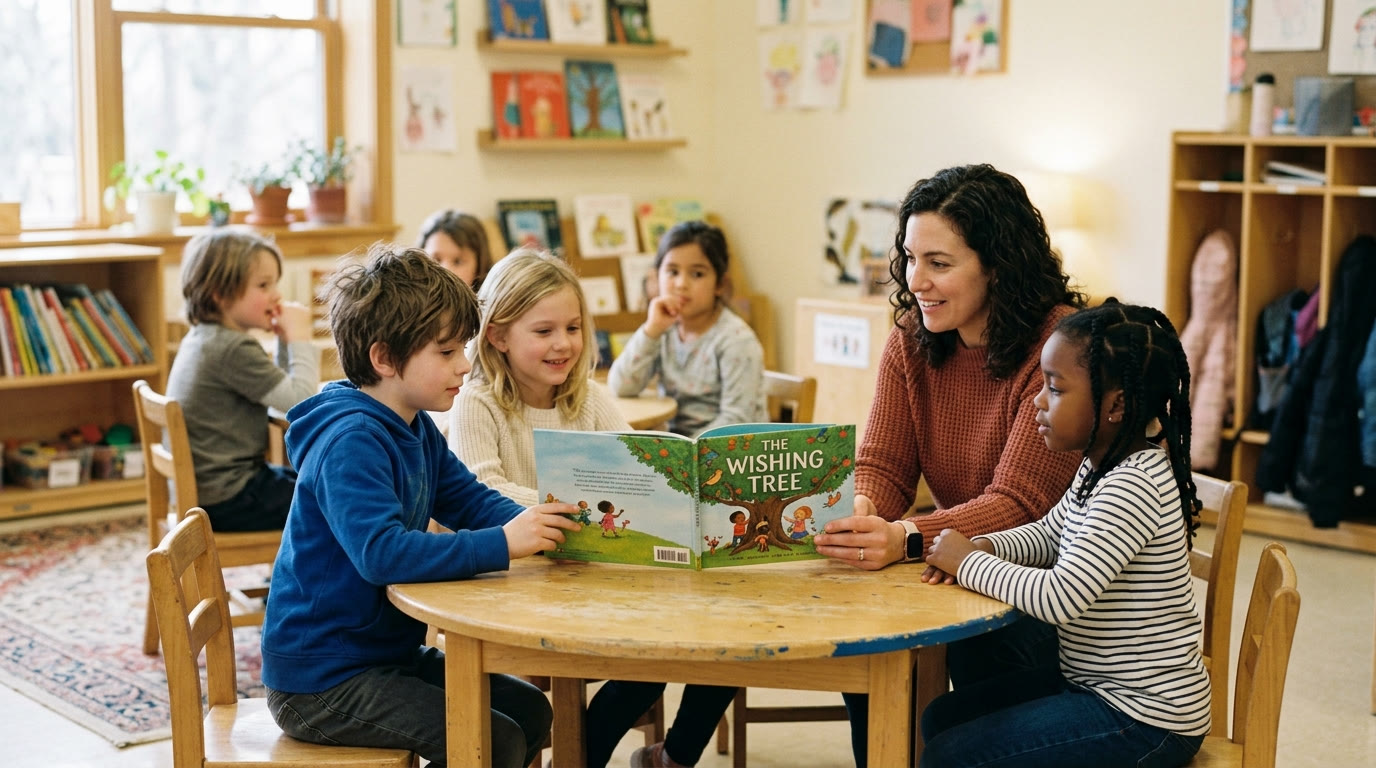
You have twelve conferences in one afternoon, ten minutes each, and a parent sitting across from you who deserves your full attention, not the top of your head while you scribble. Most teachers end up with one of two note-taking failures: nothing written down at all, or a page of shorthand that means nothing three weeks later when the parent emails asking "so what did we agree on?"
What a conference note actually needs to do
A good conference note isn't a transcript. It's a record you can act on later. That means it needs three things, and almost nothing else:
- What the parent told you that you didn't already know (a diagnosis, a family change, a concern from home)
- What you agreed to do, specifically, with a date if there is one
- What the parent agreed to do, so it's not just a list of your promises
Everything else, the small talk, the "thanks for coming," the tangents, doesn't need to survive the conference.
The workflow that actually holds up under time pressure
1. Before the conference, glance at the student's recent grades and any flags so you're not learning basics live in front of the parent.
2. During the conference, jot fragments, not sentences: "reading @ home 20min," "dad - new job, less avail eves," "will check backpack daily."
3. Right after (even 90 seconds while the next parent is still in the hallway), turn the fragments into one clean sentence per point using a conference-notes format: what was discussed, what was decided, who owns the follow-up.
That third step is where AI actually earns its keep. Paste your fragments in and ask something like: "Turn these conference note fragments into three clean lines: what the parent shared, what we agreed to do, and the follow-up date. Keep it factual, no interpretation." A [conference notes tool](/conference-notes) built for this will already prompt you for those three fields, so you're filling in a template instead of inventing structure from scratch, which is the difference between finishing all twelve write-ups today and still owing four of them a week from now.
What NOT to hand to AI
- The parent's exact words on a sensitive topic. If a parent discloses something about custody, a diagnosis, or a home situation, write down the fact plainly yourself. Don't ask a model to "soften" or "summarize" language around a disclosure, that's a judgment call about tone and privacy that's on you.
- Anything that could read as a quote in a dispute. If a conversation gets tense, your note should stick to observable facts and agreed actions, not a paraphrase that could later be argued over.
Turning notes into a follow-up parents actually see
The note is only useful if it produces a follow-up. Once you have your three clean lines, it takes thirty seconds to turn them into a two-sentence recap email: "Thanks for meeting today. We agreed I'll check in with Maya about her reading log each Friday, and you mentioned evenings are tighter right now so we'll aim for 15 minutes most nights instead of 20." That email, sent the same day, does more for the relationship than a perfectly organized note nobody but you ever sees. If a plan for [ongoing parent communication](/parent-communication) beyond this one conference makes sense, mention it before the parent leaves the room, not in a follow-up email three days later.
The payoff in March
The whole point of doing this well in September and October is that by the time report cards or an IEP review roll around, you have six months of clean, three-line notes instead of six months of illegible fragments. When a parent asks "didn't we talk about this back in the fall?", you can actually answer instead of guessing.